
TL;DR:
- A well-crafted shared housing presentation clearly explains private versus shared spaces, house rules, and operational routines to attract compatible renters. Transparency about expectations and detailed agreements reduce conflicts and foster stable, long-term arrangements. Utilizing consistent marketing tools and honest communication enhances the likelihood of finding and retaining the right tenants for any shared living setup.
Most people hear "shared housing" and picture two roommates splitting a lease. The reality is far more textured than that. Shared housing presentation explained properly means understanding not just what a space looks like, but what life inside it actually requires: shared kitchens, governance structures, chore rosters, and social expectations that can make or break a living arrangement. Whether you are a landlord, property manager, or co-living operator, how you present a shared space determines who shows up, how long they stay, and how smoothly the household runs.
Table of Contents
- Key Takeaways
- Shared housing presentation explained: what you are actually showing
- What a strong shared housing presentation covers
- Agreements and house rules: the backbone of any presentation
- Marketing shared housing to attract the right renters
- My take: honesty beats optimism every time
- How Room Rental Manager makes this easier
- FAQ
Key Takeaways
| Point | Details |
|---|---|
| Define what is shared | Clearly communicate which spaces are private vs. shared before a prospective renter ever visits. |
| Use agreements, not assumptions | Written roommate agreements prevent disputes by establishing rent, chores, and guest rules upfront. |
| Tailor your presentation to lifestyle | Show kitchen flow, storage options, and bathroom timing. Not just photos of empty rooms. |
| Name a point of contact | Designating a communication lead reduces friction and confusion in multi-resident homes. |
| Market community, not just cost | The strongest shared housing pitches lead with social connection and structure, then affordability. |
Shared housing presentation explained: what you are actually showing
Before you can present a shared home well, you need to understand what category it falls into. The industry uses several overlapping terms, and they are not interchangeable. Grouping them together in your marketing or tour is one of the fastest ways to attract the wrong renter.
Shared housing is the broadest term. It covers any arrangement where two or more unrelated people occupy the same property, typically sharing at least some common areas. Think of a four-bedroom house where each person has a private bedroom but shares the kitchen, living room, and one or two bathrooms. This is the most common model in urban rental markets.
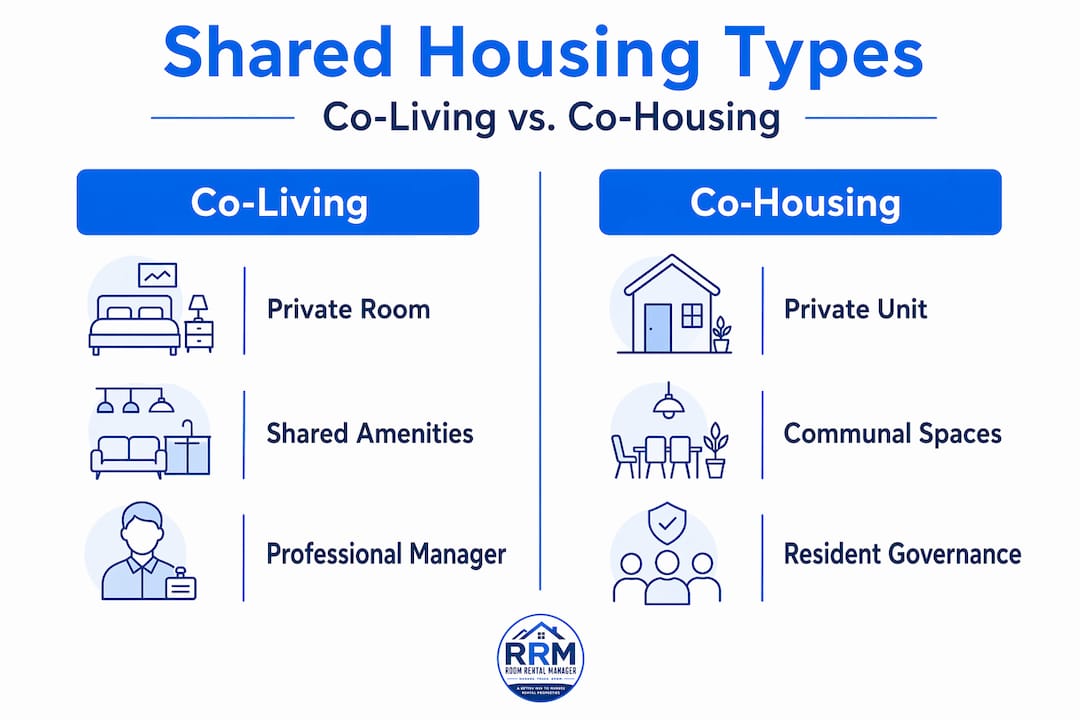
Co-living is a more structured, often professionally managed version of shared housing. Co-living operators design the space specifically for shared occupancy, usually including furnished rooms, all-inclusive pricing, and some form of community programming. PadSplit, for example, runs a co-living model that converts single-family homes into shared rentals, optimizing layouts for multiple income-producing rooms under one roof.
Co-housing goes deeper. It describes intentional communities where residents have private units but deliberately share meals, decision-making, and community spaces. As researchers at UBC have noted, co-housing involves a deeper social contract than typical shared housing, with residents actively shaping governance and community values together.
Housing co-ops take that a step further, with residents holding collective ownership or membership stakes and participating in formal governance. Student co-ops like the Santa Barbara Student Housing Co-operative require resident participation in roles and house meetings as a condition of affordable rent.
Here is a quick comparison to anchor the distinctions:
| Type | Private space | Shared space | Governance |
|---|---|---|---|
| Shared housing | Bedroom | Kitchen, living areas | Informal or landlord-set |
| Co-living | Furnished bedroom | All common areas, often amenities | Operator-managed |
| Co-housing | Full private unit | Dining, garden, shared facilities | Resident-led |
| Housing co-op | Full private unit | All common areas | Member-governed |
Knowing which model you operate changes everything about how you present it, what questions you prepare for, and what kind of renter you are trying to attract.
What a strong shared housing presentation covers
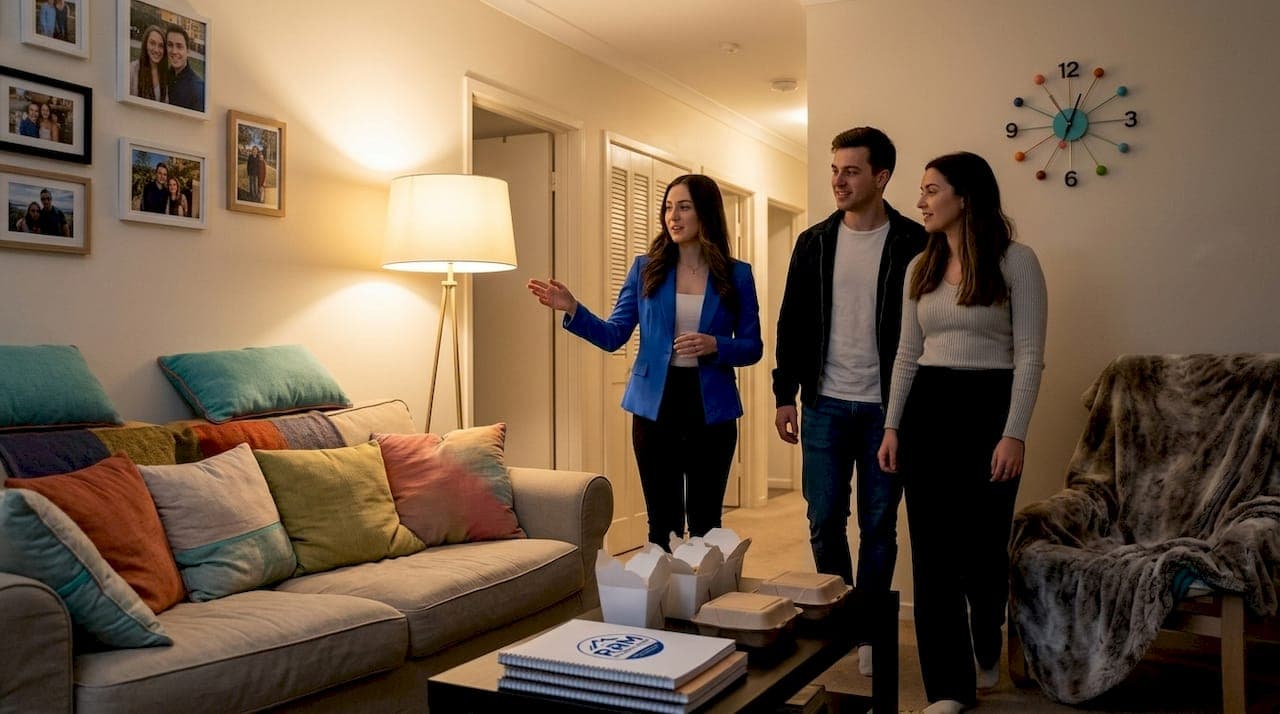
Here is where most landlords fall short. They take a few room photos, list the monthly rent, and call it done. A strong presentation accounts for the lived experience of sharing a home, not just its dimensions.
Lead with what is private and what is not
This sounds obvious. It rarely gets done clearly. Prospective renters need to know, before they visit, exactly what they will have to themselves and what they will share. State it plainly: "Your bedroom and one designated shelf in the bathroom cabinet are private. The kitchen, living room, laundry, and backyard are shared among four residents." That single paragraph filters out renters who will be a bad fit before you spend time on a showing.
Show the operational flow, not just the aesthetics
Effective shared housing tours focus on day-to-day routines, including kitchen timing, storage allocation, and privacy spots, rather than just how a space photographs. Walk prospective renters through a typical morning. How many people share one bathroom? Is there a system for cooking time? Where does each person store their food? These operational details determine whether someone will be comfortable or constantly frustrated.
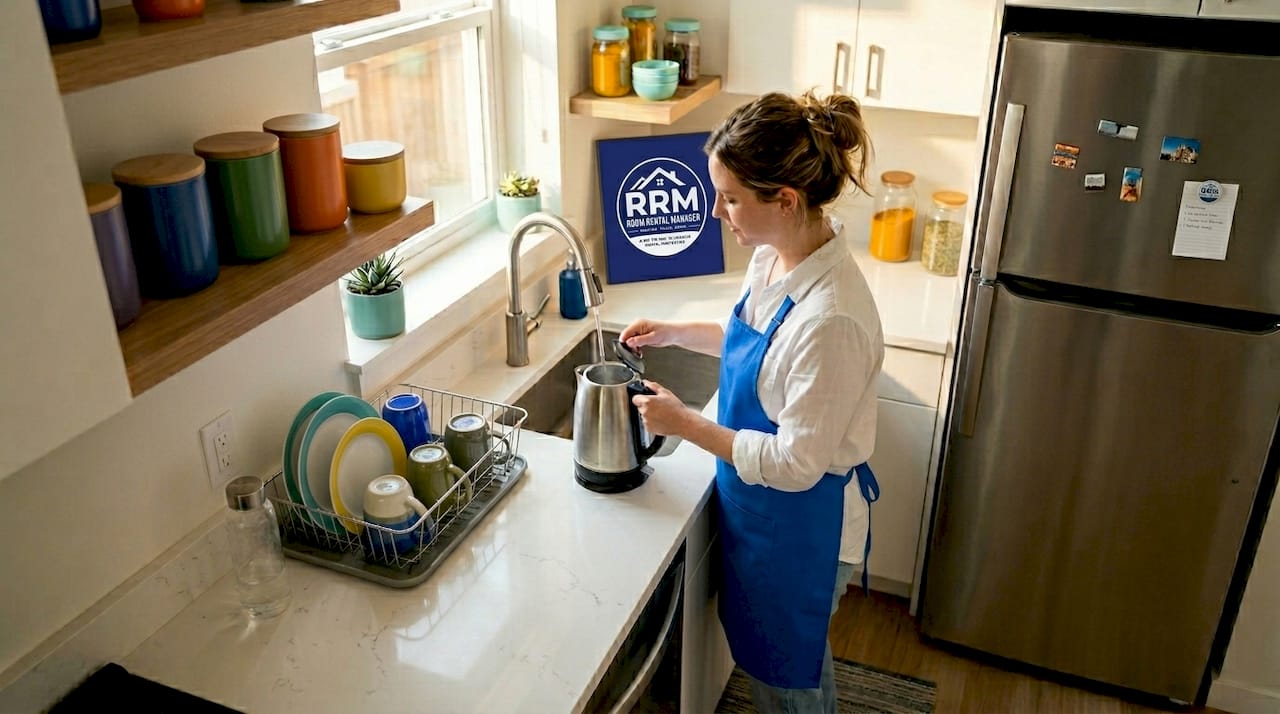
Pro Tip: Film a short video walkthrough narrated from the renter's perspective. Say things like, "This is your cabinet in the kitchen," and "Here is how the shared bathroom schedule typically works." It sets realistic expectations and filters bad-fit inquiries before they contact you.
Address concerns before they are asked
Shared housing raises predictable anxieties: noise, cleanliness, guest policies, privacy in common areas, and what happens when someone does not pay. Address all of these in your presentation materials before a renter has to ask. A one-page overview covering house rules, quiet hours, cleaning expectations, and how maintenance requests work tells a prospective renter that this is a managed, organized household. Not a gamble.
- Cover noise and quiet hours explicitly
- Explain the cleaning schedule and who enforces it
- State the guest policy clearly, including overnight guests
- Describe what happens if a roommate situation becomes difficult
- Name the point of contact for maintenance and emergencies
Nominating a communication lead for maintenance and safety reduces friction significantly in multi-resident homes. Include that person's role in your presentation so renters know exactly who to contact and for what.
Use photos and media strategically
Photos of empty rooms tell renters very little about whether they will be happy. Show the kitchen fully stocked to give a sense of scale. Photograph the bathroom during a realistic setup. If you have a shared living room, stage it to reflect actual use. Consider a floor plan diagram that labels each person's private storage zones. For higher-end co-living units, a 3D walkthrough can set you apart significantly.
Agreements and house rules: the backbone of any presentation
A presentation is a promise. The agreement is what makes that promise enforceable. Many landlords treat written agreements as optional in shared housing. That is a mistake.
Written roommate agreements clarify rent, utilities, chores, guest rules, and conflict resolution, cutting off the most common sources of friction before they start. Even when not legally required, they create a clear reference point that residents can return to when disagreements arise.
Here is what a solid shared housing agreement should cover:
- Rent allocation. How much each resident pays and when payment is due.
- Utility responsibilities. Who pays which bills and how costs are split.
- Cleaning schedule. Specific assignments for shared areas, not vague expectations.
- Guest policy. How long guests can stay and under what conditions.
- Quiet hours. Start and end times that all residents agree to observe.
- Conflict resolution. A simple process for raising and resolving disputes before they escalate.
- Move-out notice. How much notice a resident must give before leaving.
- Maintenance reporting. Who handles it and what the expected response time is.
As DocuSign's template guidance reinforces, even informal agreements carry significant preventative value, giving everyone a shared frame of reference rather than relying on memory or assumption.
Pro Tip: Include the house agreement as part of your presentation package before a renter commits. Renters who read the agreement and still want to move in are self-selected for compatibility. Those who bristle at the rules will tell you before you sign anything.
Alongside the formal agreement, house rules work best when they are introduced as community values rather than a list of prohibitions. Framing rules as "here is how we keep this household pleasant for everyone" lands differently than "here is what you cannot do." That framing matters especially in co-housing and co-op settings where governance and house meetings are built into the living model. You can find practical examples of how to structure these documents in this guide to room rental house rules that covers common clauses landlords often overlook.
Marketing shared housing to attract the right renters
Finding a renter is not the goal. Finding the right renter for a shared home is. That distinction should shape everything about how you position and advertise a space.
The strongest shared housing listings lead with community and routine, then affordability. Affordability alone attracts people who would rather live alone but cannot afford to. That mismatch creates conflict. Leading with the lifestyle, structured household, proximity to amenities, and the social benefits of living with compatible people, attracts renters who are genuinely interested in the arrangement.
Investors using co-living models consistently find that clear, structured listings outperform vague ones because they filter applicants upstream. Renters who understand exactly what they are getting into before applying are more likely to follow through, sign, and stay.
- Use specific language: "four residents share one kitchen and two bathrooms" beats "shared common areas"
- Highlight proximity to transit, groceries, and workplaces that matter to your target renter profile
- Include a short description of current residents if they are open to it and it is appropriate
- State what is included in rent: utilities, Wi-Fi, laundry access, furnished or unfurnished
- Be honest about the household culture, including noise levels, work schedules, and lifestyle
Addressing misconceptions about shared costs and configurations upfront also builds credibility. Renters who have been burned by vague listings before will notice and appreciate the specificity.
Digital platforms and inquiry management matter more than most operators realize. When you advertise across multiple channels, keeping your presentation consistent and your leads organized is genuinely difficult. Landlords who advertise on multiple platforms know that scattered inquiries lead to missed follow-ups and lost renters. A centralized approach to collecting and tracking interest saves time and makes your operation look professional to serious applicants.
My take: honesty beats optimism every time
I have watched landlords lose months of their time because they oversold a shared space and attracted the wrong tenant. The presentation looked great. The photos were good, the price was right, and the listing sounded appealing. But it glossed over the fact that four people shared one full bathroom, that the house had a no-guest policy on weeknights, and that residents were expected to attend a monthly house check-in.
The new renter found out during move-in week. They were frustrated. The existing residents were frustrated. The landlord spent the next two months managing conflict instead of running a household.
In my experience, the presentations that create genuinely stable shared households are the ones that feel almost too honest. They name the friction points. They explain the expectations without softening them. They tell a prospective renter exactly what a Tuesday morning looks like in that house, and they let the renter decide if that works for them.
What I have noticed recently is that prospective shared housing renters are getting more sophisticated. They ask better questions. They want to see the agreement before they visit. They ask about conflict resolution. That is actually good news for operators who present well, because it means the due diligence cuts both ways. A renter who reads your house rules carefully and still wants to move in is someone who belongs there.
The operators I have seen succeed long term are not the ones with the shiniest listings. They are the ones with the clearest ones. Clarity on what is shared, what is private, what is expected, and who handles what creates the kind of renter confidence that turns into lease signings and long tenancies.
— JAMES
How Room Rental Manager makes this easier
Putting a well-structured shared housing presentation together is one thing. Keeping it consistent across every platform where you advertise, and then managing all the inquiries that come in, is another challenge entirely.
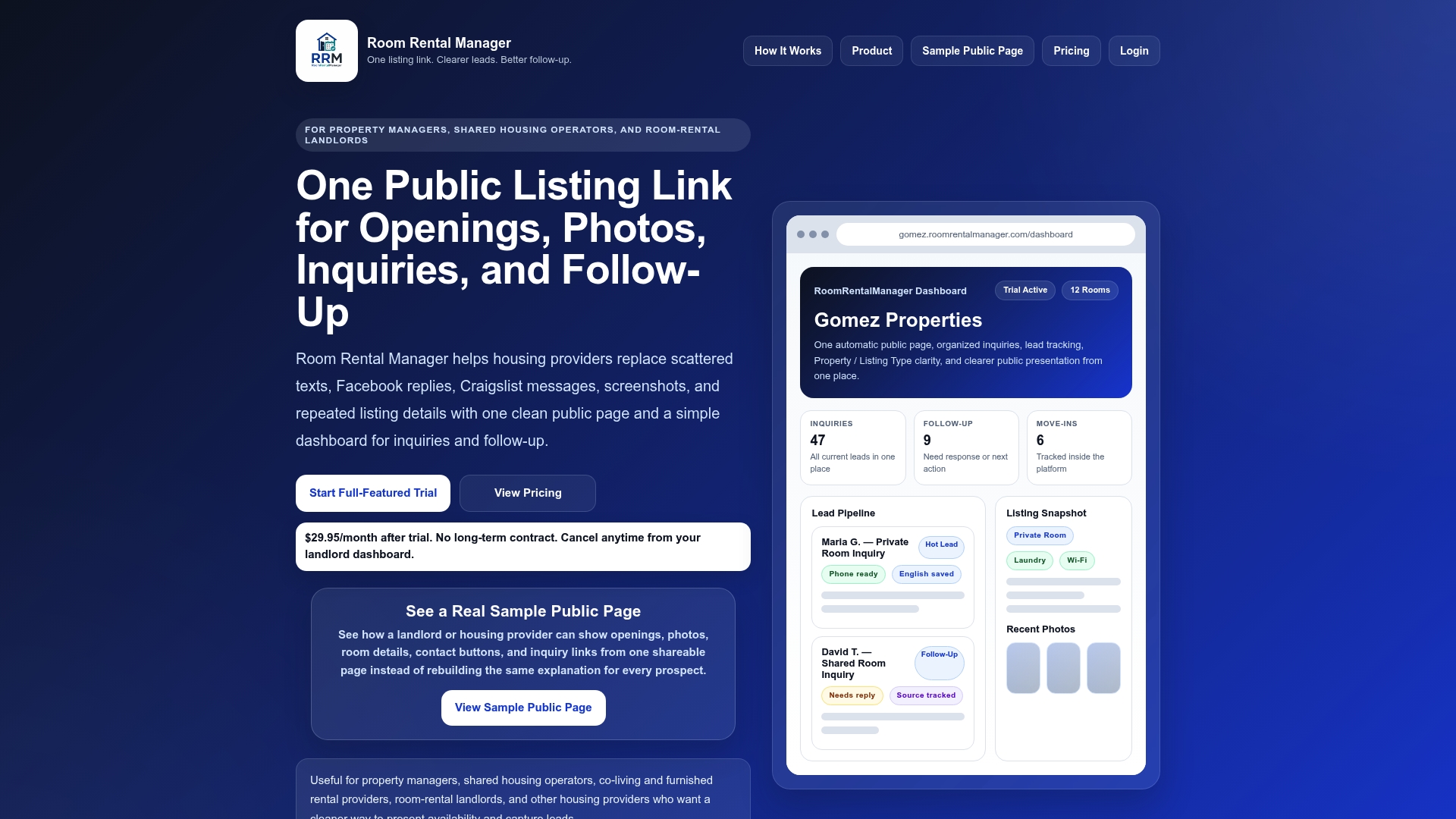
Room Rental Manager was built for exactly this problem. Instead of repeating yourself across texts, emails, Facebook messages, and Craigslist replies, you create one clean public listing page that covers your property photos, shared space details, house rules, and contact options. Share one link, and every prospective renter gets the same accurate, complete picture. From your dashboard, you can track where your leads come from, follow up without losing track, and manage your rental inquiry pipeline without juggling spreadsheets. Explore the full set of tools and templates available through Room Rental Manager's resources to get your shared housing operation running the way it should.
FAQ
What is shared housing presentation?
Shared housing presentation refers to how a landlord or operator communicates what a shared living space looks, feels, and operates like to prospective renters. It covers physical layout, shared vs. private spaces, house rules, and expectations before a commitment is made.
What should a shared housing presentation include?
A strong presentation covers which spaces are private, which are shared, the cleaning and guest policies, a point of contact for maintenance, and ideally a copy of the roommate agreement or house rules so renters know exactly what they are agreeing to.
Why does a roommate agreement matter in shared housing?
Written agreements prevent disputes by clearly defining rent splits, utility responsibilities, chore schedules, and conflict resolution steps. Even without legal requirement, they create a shared reference point that residents return to when disagreements arise.
What is the difference between co-living and co-housing?
Co-living is professionally managed shared housing where residents rent individual rooms in a furnished, all-inclusive property. Co-housing involves intentional communities where residents have private units but share a deeper social contract, including governance, communal meals, and collective decision-making.
How do I attract the right renters for a shared home?
Lead with specifics: name how many people share each space, describe the household culture honestly, and include the house rules in your listing. Renters who respond positively to that level of detail are genuinely suited to the arrangement.