

You'd think "furnished" would mean the same thing to every landlord, every tenant, and every lease agreement. It doesn't. One landlord's "fully furnished" unit comes with fresh linens, a fully stocked kitchen, and a smart TV. Another's comes with a bare mattress and a microwave. That gap causes disputes, vacancies, and sometimes legal headaches. If you're listing a furnished rental right now or planning to, the words you choose and the details you include will determine whether you attract the right tenants fast or spend weeks answering the same questions from confused applicants.
Table of Contents
- What does 'furnished rental' actually mean?
- Typical inclusions and variability: What should you list?
- Who are furnished listings best for?
- Legal nuances and policy changes: Why listing accuracy matters
- What most landlords get wrong, and how to stand out with furnished listings
- Manage and market your furnished rental listings with ease
- Frequently asked questions
Key Takeaways
| Point | Details |
|---|---|
| No universal furnished standard | List all provided items clearly, as definitions vary by property and region. |
| Detail everything in your listing | A precise inventory avoids misunderstandings and legal disputes with tenants. |
| Furnished appeals to flexible renters | Short-term and transition renters look for move-in ready spaces. |
| Keep up with legal changes | Regulations can affect what counts as furnished and how charges are listed. |
| Align text, photos, and inventories | Unified, transparent records build trust and set clear expectations for all parties. |
What does 'furnished rental' actually mean?
Let's start with the definition, because even that varies more than most landlords expect.
A furnished rental listing is a rental advertisement stating the unit is "furnished," meaning the landlord provides essential furniture and appliances so a tenant can move in with minimal setup. That's the general idea. But notice what the definition doesn't do: it doesn't tell you how many pieces of furniture qualify, which appliances are mandatory, or what condition those items need to be in.
This ambiguity is where landlords run into trouble. A furnished listing without specific details creates a mismatch between what a prospective tenant imagines and what actually sits in the unit on move-in day. The tenant shows up expecting a bed frame, a couch, and a working stove. You included a fold-out sofa, a cot, and a two-burner hot plate. Technically, both of you could call that "furnished." Only one of you will feel satisfied.
The items most commonly found in furnished rentals include:
- A bed frame and mattress in each sleeping room
- Seating furniture such as a sofa or chairs in the living area
- A dining table and chairs
- A refrigerator and oven or cooking appliance
- Basic window coverings like blinds or curtains
- Adequate lighting fixtures in primary rooms
Beyond these basics, inclusions vary enormously. Some landlords add cookware, linens, internet equipment, and even decorative items. Others stop at the furniture and appliances and call it done. Neither approach is wrong, but only one of them will clearly communicate what you're offering when you start creating rental listings that attract serious applicants.
Remember: "Furnished" is a marketing term, not a legal standard. Until you define it yourself in writing, it means whatever the person reading your listing imagines it means.
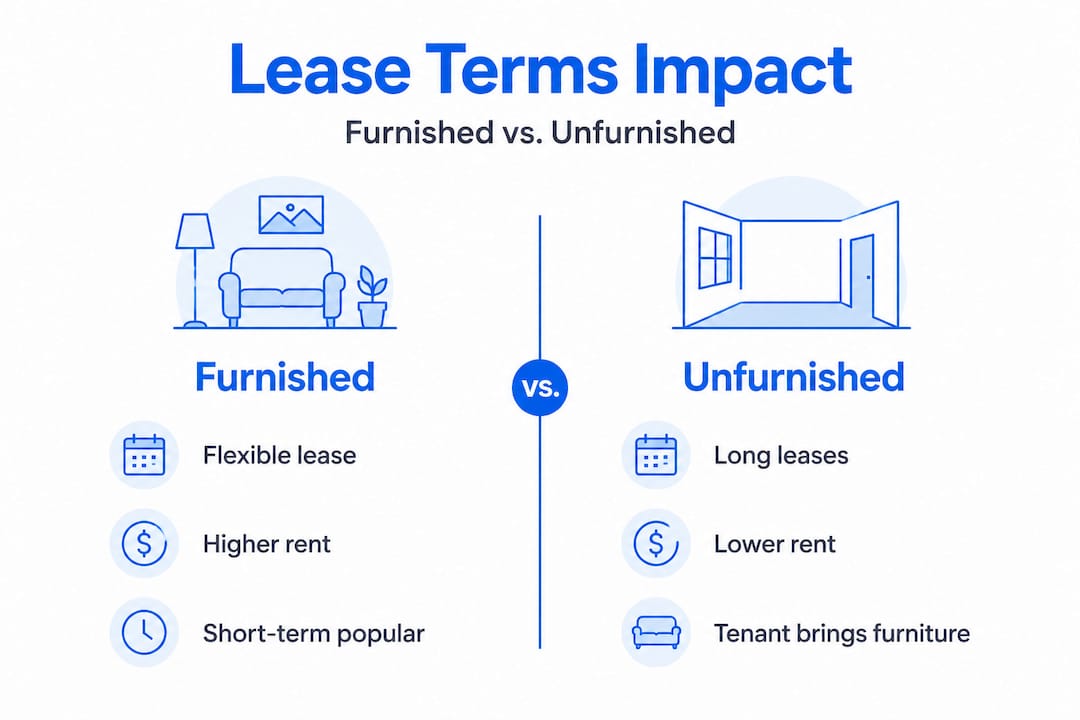
The level of furnishing you offer also shapes your lease terms. Furnished units often come with shorter, more flexible lease options because the tenants who seek them aren't planning to bring their own furniture. Higher furnishing levels can justify higher rents, but they also mean more maintenance, more inventory to track, and more potential for tenant damage claims.
Typical inclusions and variability: What should you list?
Now that you know the concept, let's examine what typically goes inside a furnished rental and how to document it properly.
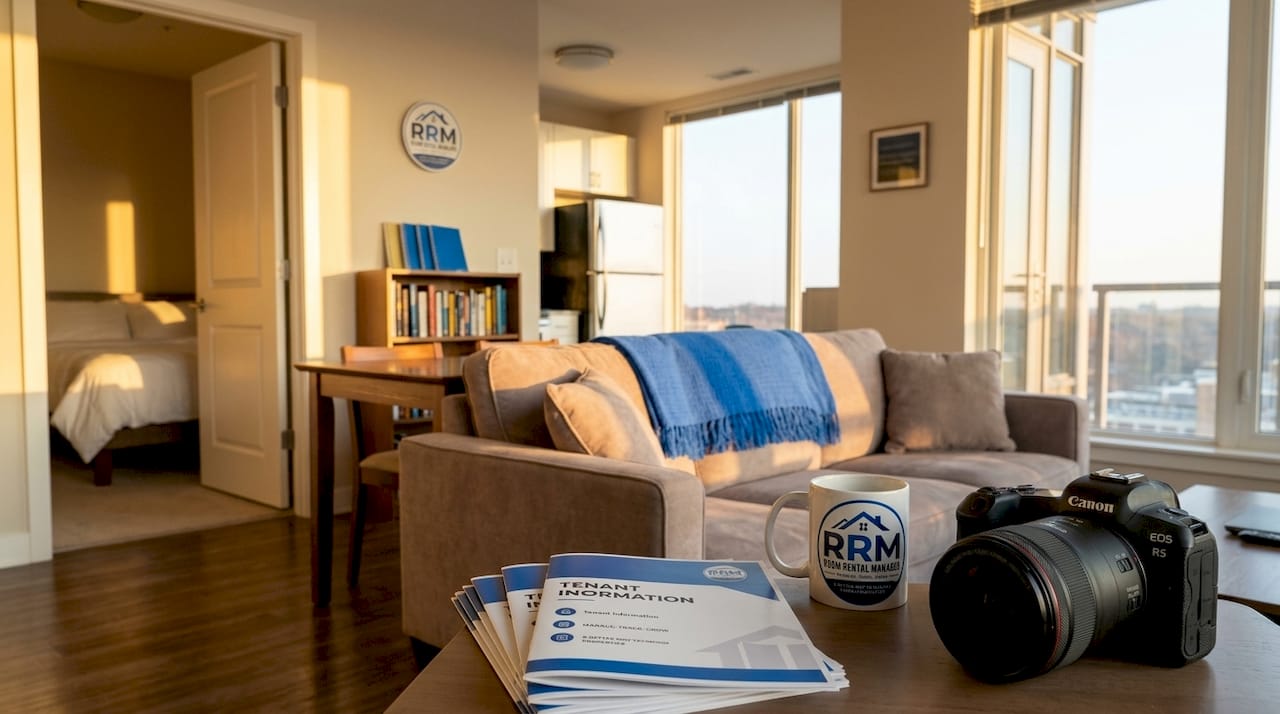
There is no single universal legal checklist for what counts as "furnished," so good listings should provide a clear inventory. That means the standard is entirely yours to set, and the burden of communication falls entirely on your listing.
Here's a practical comparison of furnishing levels you might offer:
| Furnishing level | Typical inclusions | Best suited for |
|---|---|---|
| Basic | Bed, sofa, dining table, refrigerator, oven | Long-term tenants who prefer lower rent |
| Standard | All basic items plus microwave, washer/dryer, basic cookware, linen | Mid-term renters, relocating professionals |
| Luxury | All standard items plus smart TV, premium bedding, full kitchen kit, artwork, Wi-Fi router | Corporate renters, short-term and vacation stays |
The difference between these levels isn't just about comfort. It affects the rent you can charge, the type of tenant you attract, and the complexity of your move-in and move-out process.
How to inventory and list your furnished rental:
- Walk the unit room by room and photograph every item you're including. Do this before any new tenancy begins and keep timestamped photos.
- Create a written inventory list organized by room. Name each item, note its condition (good, fair, worn), and include the brand or model for appliances.
- Attach the inventory to the lease as a signed addendum. This protects you if a tenant claims an item was missing or damaged on arrival.
- Update the inventory between tenancies. Replace damaged items, remove things you no longer want to provide, and photograph the unit fresh.
- Mirror the inventory language in your listing. If your lease says "queen bed frame and mattress," your public listing should use the same phrase, not just "bedroom furnished."
Pro Tip: Don't just list items; include condition notes and photos in the tenant-facing version of your inventory. A tenant who sees a photo of the actual sofa they'll be living with has zero grounds to complain it was different from what was advertised.
Effective tracking rental inquiries becomes much easier when your listing is specific. Tenants who don't want what you're offering will self-select out, and tenants who do want it will come to you already informed and ready to apply.
Who are furnished listings best for?
Understanding what's included leads naturally to who is most interested in these properties.
Furnished listings are marketed toward tenants seeking flexibility, like short-term or mid-term renters and relocating professionals. This group is broader than many landlords realize, and marketing your listing to them effectively can significantly shrink your vacancy periods.
The most common tenant profiles for furnished rentals include:
- Relocating professionals who need a move-in-ready space while they settle into a new city
- Corporate travelers on assignment, often sponsored by an employer who expects a professional-grade space
- Students and interns on short academic or training terms who can't afford to ship or buy furniture
- Traveling healthcare workers and contract employees with rotating placements of 30 to 180 days
- Newly separated individuals who left a shared home and need a ready-to-live option immediately
- Tourists and seasonal renters seeking an alternative to hotels for stays of one to three months
Each of these groups shares one key trait: they're comparing your furnished unit to other options that can accommodate them quickly. They're not planning to live there for years. They want to arrive, unpack a suitcase, and feel at home. A vague listing that just says "furnished" gives them no reassurance. A specific listing that tells them exactly what's there gives them confidence to inquire and apply.
Units marketed as ready-to-live also consistently attract premium rents. When you can document that the tenant needs nothing but their clothes and personal items, you've essentially priced in the convenience factor. That's a real financial advantage for landlords who manage their inventory well.
You can also reach a wider audience through a furnished rental marketplace if you want direct exposure to renters specifically searching for furnished units.
Pro Tip: Tailor your listing description to the tenant you want most. If you're targeting corporate renters, emphasize the desk workspace, fast Wi-Fi, and proximity to business districts. If you're targeting traveling medical workers, highlight parking, laundry access, and proximity to hospitals. The furniture checklist is the baseline. The narrative is what converts.
For advice on getting more from each listing, see these strategies for improving rental advertising to reach the right tenants faster.
Legal nuances and policy changes: Why listing accuracy matters
Now that you know who typically seeks furnished rentals, it's time to focus on the legal details that can affect your success.
The legal landscape around furnished rentals is more active than most landlords realize, and it's shifting in ways that will require more documentation and more precision in your listings. What works today may not be compliant next year.
Here's a quick overview of areas where legal requirements or risks appear:
| Issue | Risk if unaddressed | Best practice |
|---|---|---|
| No written inventory | Tenant disputes over damage or missing items | Attach a signed inventory to every lease |
| Vague listing language | Tenant claims misrepresentation | Match listing text exactly to lease inventory |
| Unitemized furniture surcharge | Unit reclassified as unfurnished under some laws | Separate and document furniture fees clearly |
| No photo evidence | No baseline for damage assessment | Photograph every item before each tenancy |
One development worth paying close attention to: regulations in some countries are moving toward requiring that landlords itemize furniture surcharges separately or risk having the unit treated as unfurnished under rent control rules. In Germany, for example, proposals would require landlords to list the furniture cost as a distinct line item or lose the ability to charge above base-rent caps. That's a meaningful financial consequence.
Caution: If you don't itemize what you provide and why it affects the rent, a regulator or court may treat your furnished unit as unfurnished and apply rent limits that eliminate your furniture premium entirely.
Even if you're not in a jurisdiction with active regulation right now, the trend is clear: precision and documentation are moving from "best practice" to "required practice." The landlords who build good habits now will have a much easier time adapting.
Other legal nuances to watch for:
- Some lease frameworks treat furnished units differently for security deposit calculations, allowing higher deposits to cover potential furniture damage
- Short-term furnished rentals may require separate licenses or tax registrations depending on your state or city
- Furnished listings on certain platforms may trigger different tax treatment for rental income
- Move-in and move-out inventory disputes are among the most common reasons furnished rental security deposits go to court
Good lead management for landlords also depends on legal clarity. When your listing accurately describes the unit, the tenants who inquire are genuinely interested in what you have, which means your follow-up conversations are productive rather than corrective.
What most landlords get wrong, and how to stand out with furnished listings
Here's the pattern we see repeatedly, and it's frustrating because it's so avoidable.
A landlord furnishes a unit. They write a listing that says "fully furnished" in the headline and then describes the neighborhood, the floor plan, and the view. The listing gets inquiries. Tenants show up, and some are disappointed because the kitchen had no cookware, or the "bed" was a futon, or there was no desk in the home office they expected. The landlord feels blindsided. The tenant feels misled. Nobody's wrong exactly, but everybody's frustrated.
The root cause is almost always a gap between what the landlord meant by "furnished" and what the tenant pictured. And the cure is documentation, not good intentions.
According to this analysis of what "fully furnished" actually means, "fully furnished" and "furnished" are not reliably interchangeable, and aligning your listing text and photos with a written inventory is the only way to close the interpretation gap. These terms carry different weight to different readers, and in some legal contexts, they may be interpreted differently too.
Here's the actionable framework that actually works:
Align three documents as a unified record:
- Your public listing, which is what prospective tenants see and decide based on
- Your lease inventory addendum, which is the legal record of what's provided
- Your move-in photo documentation, which is the physical evidence of condition
When all three say the same thing, you're protected. When they contradict each other, you have a dispute waiting to happen.
The other mistake is using templates without verifying accuracy. Copying a furnished checklist from the internet and attaching it to your lease without walking the unit is surprisingly common. You might list items that aren't there or miss things that are. Either way, the record doesn't reflect reality, and that gap can cost you in security deposit disputes or tenant complaints.
Digital tools for listing templates and inventory management change this entirely. When you can build a listing from a structured template, attach a photo inventory, and track inquiries from one place, renewal between tenants takes minutes instead of hours. Explore how room rental software features can support this kind of organized, repeatable process.
The landlords who consistently fill furnished units faster and hold onto good tenants longer are the ones who treat their listing as a legal and marketing document at the same time. It's not just an ad. It's the first line of your tenancy agreement.
Manage and market your furnished rental listings with ease
Getting your furnished listing right takes clarity, documentation, and the right tools to present your property professionally without spending hours on repetitive tasks.
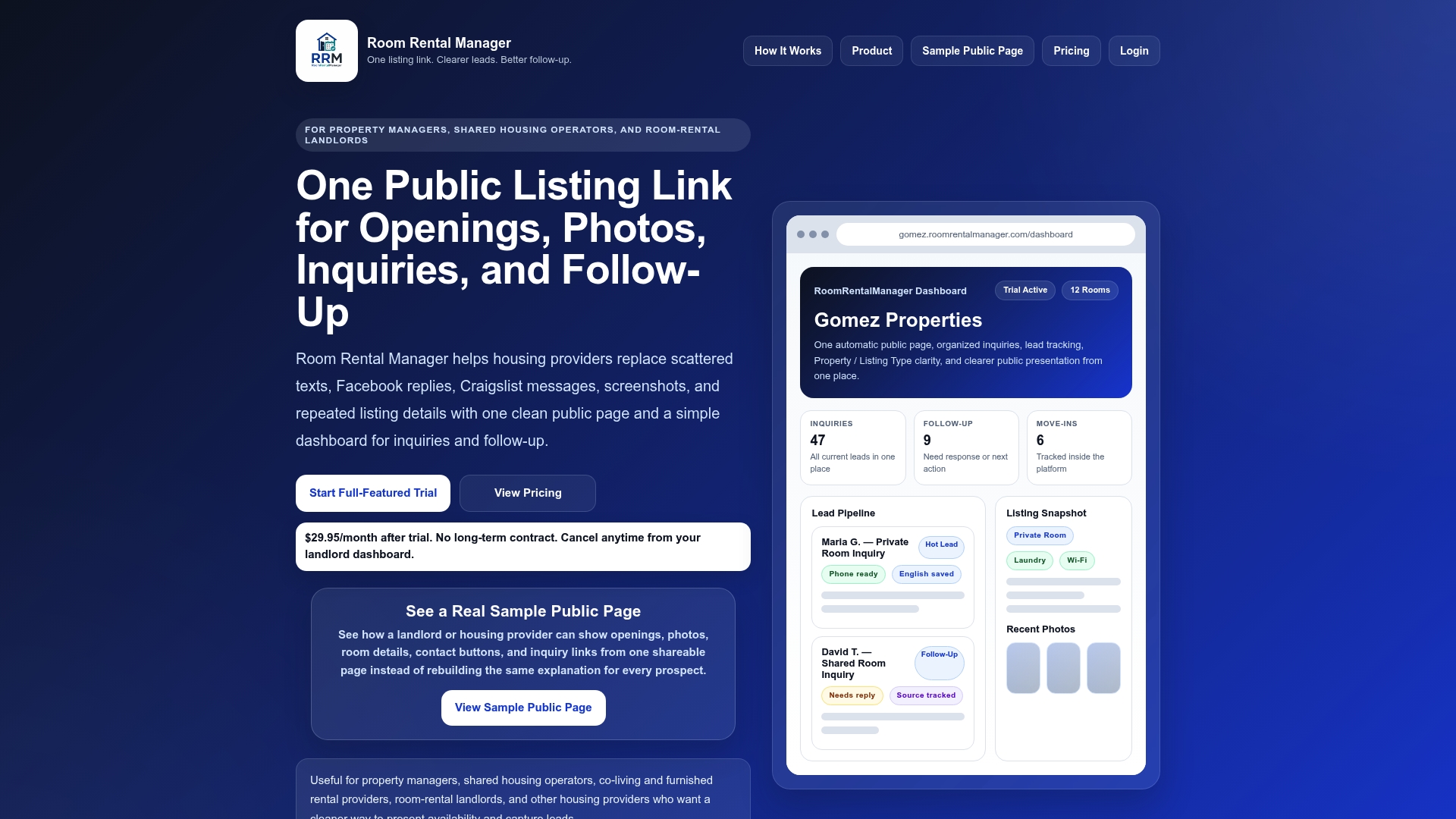
Room Rental Manager was built specifically for landlords and property managers who want to stop repeating the same information across texts, emails, and listing platforms. You create one clean, professional listing page with your photos, property details, furnishing inventory, and contact options, then share a single link with everyone who inquires. Built-in landlord resource tools help you stay organized from inquiry to lease, while integrated lead management solutions let you track where your best tenants are coming from so you can focus your advertising where it actually works. If you're serious about furnished rentals, this is the professional setup that saves you time and makes every listing count.
Frequently asked questions
What must I include in a furnished rental listing?
List all major furniture and appliances you're providing, since there is no universal standard for what counts as furnished. Always specify included items in writing and attach a signed inventory to the lease.
Can I charge extra for furniture in a furnished rental?
Depending on local law, you may be able to add a furniture premium to your rent, but some jurisdictions now require furniture surcharges itemized separately or risk the unit being treated as unfurnished under rent control rules.
Who typically rents furnished properties?
Short-term and relocating renters are the most common tenants for furnished units, including corporate travelers, students on temporary placements, traveling healthcare workers, and professionals moving to a new city.
Is there a difference between 'fully furnished' and 'furnished'?
Yes, because definitions vary by landlord and jurisdiction. These terms are not reliably interchangeable, so always clarify exactly what's included in your listing and rental agreement to avoid misunderstandings at move-in.