

Sticking to a single rental listing site used to be enough. Post your unit, wait for calls, fill the vacancy. That approach has largely stopped working. Renters today browse across multiple platforms before they ever send a message, which means if your listing only lives in one place, a large portion of your potential tenant pool never sees it. This article breaks down why multi-platform advertising has become the standard for serious landlords, what you actually gain from it, and how to manage it without drowning in scattered inquiries and duplicated work.
Table of Contents
- The new reality: Why one platform isn't enough
- Top benefits of using multiple platforms for landlords
- Challenges of multi-platform listings (and how to avoid them)
- Best practices for streamlining rental advertising across platforms
- Our take: Why choosing smart tools beats juggling platforms manually
- Streamline your rental advertising with Room Rental Manager
- Frequently asked questions
Key Takeaways
| Point | Details |
|---|---|
| Wider reach | Listing rentals on multiple platforms increases your exposure to prospective tenants. |
| More leads | Using several listing sites usually results in higher qualified inquiry volumes. |
| Professional image | Coordinated, consistent listings across channels project a credible landlord brand. |
| Efficiency gains | Rental management tools can centralize your posts and inquiries, saving time and reducing errors. |
| Data-driven optimization | Tracking platform performance lets you invest resources where they work best. |
The new reality: Why one platform isn't enough
Let's explore why the old "list-and-wait" approach no longer works and why landlords are adapting.
Popular rental listing sites have grown crowded. What was once a reliable channel for quick inquiries now competes with thousands of listings in the same city, sometimes in the same zip code. Standing out on a single platform requires significant effort, strong photos, and perfect timing with algorithms that favor recently updated posts.
Renters have also changed their search habits. A prospective tenant might start on one large listing aggregator, cross-check another site for pricing comparisons, check a local Facebook group for community feedback, and then browse modern rental platforms designed for specific niches like furnished rentals or room shares. If you're only on one of those touchpoints, you're simply invisible for the rest of the journey.
Different platforms also serve different audiences. A furnished room near a university might get strong traction on student-focused sites but limited interest on a general real estate marketplace. A luxury long-term rental may perform better on premium listing sites than on budget-oriented classifieds. Matching your property type to the right platform mix is a core part of maximizing advertising ROI rather than just posting blindly everywhere.
Here's what drives landlords to go multi-platform:
- Listing saturation on dominant sites reduces organic visibility
- Renter browsing habits span three or more platforms before contact
- Algorithm volatility can drop your ranking without warning
- Platform-specific audiences mean a single site misses whole renter segments
- Vacancy reduction improves when inquiry volume increases from multiple sources
"The average renter visits multiple listing sources before making contact. Landlords who only advertise in one place are essentially competing with one hand tied behind their back."
The data behind rental vacancy costs is sobering. Every extra week a unit sits empty has a direct dollar impact. Multi-platform advertising isn't a luxury; it's a practical tool for shortening the time between "available" and "leased."
Top benefits of using multiple platforms for landlords
With these challenges in mind, what do landlords actually gain by going multi-platform?
The clearest benefit is reach. More listings in more places means more eyes on your property. But reach alone doesn't tell the full story. The quality of inquiries tends to improve when you're matching your listing to the right platform for your property type. A room rental advertised on a platform built specifically for shared housing attracts renters who already understand and want that living arrangement. That's a better quality lead than someone who stumbled across your room on a general real estate site expecting a full apartment.
Here's a comparison of what single-platform versus multi-platform advertising typically looks like in practice:
| Factor | Single platform | Multi-platform |
|---|---|---|
| Inquiry volume | Lower, dependent on one algorithm | Higher, diversified sources |
| Vacancy time | Typically longer | Typically shorter |
| Lead quality control | Limited to one audience | Customized per platform |
| Platform risk | High if algorithm changes | Low, spread across channels |
| Advertising cost | Lower upfront | Optimizable over time |
| Tenant diversity | Narrow demographic reach | Broader applicant pool |
The benefits of going multi-platform come down to these core advantages:
- Greater overall reach means more qualified inquiries from renters who are actively looking
- Reduced dependency on any single platform's policies, pricing changes, or algorithm shifts
- Tailored messaging lets you adjust photos, descriptions, and pricing emphasis per audience
- Performance comparison gives you real data on which platforms deliver better leads for your specific property type
- Reputation building happens faster when renters see consistent, professional listings across multiple channels
Creating effective listings matters even more when you're working across several sites, because inconsistency between platforms can undermine trust. If your listing on one site shows different pricing or outdated photos compared to another, renters notice. That inconsistency signals disorganization.
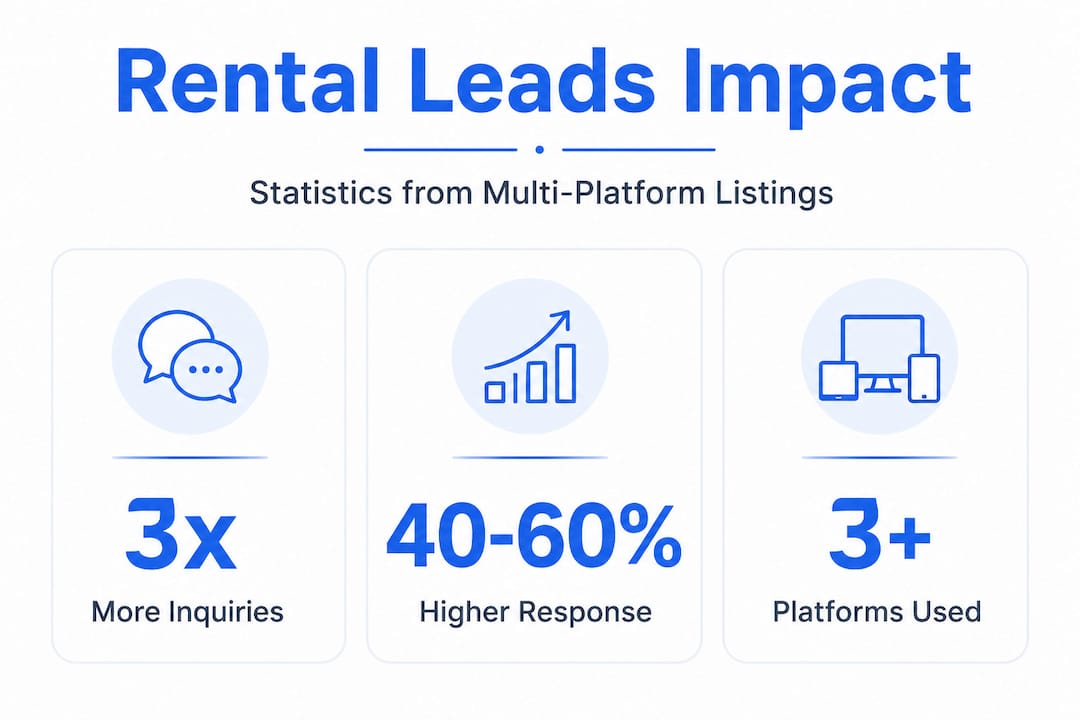
Statistic to consider: Landlords who advertise on three or more platforms typically report 40 to 60 percent more inquiry volume than those relying on a single listing source. More inquiries means more options, faster screening, and less desperation when making leasing decisions.

Pro Tip: Track which platforms generate your best leads, not just the most leads. High inquiry volume from a platform that attracts unqualified renters wastes your time. Focus on the channels that bring renters who actually meet your criteria.
Challenges of multi-platform listings (and how to avoid them)
But listing everywhere isn't purely positive. Landlords face unique headaches if they aren't organized.
The most common problem is manual posting fatigue. Writing a new listing from scratch for each platform, uploading photos, re-entering contact details, and keeping all of it updated when the unit rents or pricing changes is genuinely exhausting. It also introduces errors. A price listed differently across platforms creates confusion and makes negotiation awkward.
Missed inquiries are the second major risk. When messages arrive through five different channels, some inevitably fall through. A renter who sends a message on a Tuesday afternoon and doesn't hear back by Wednesday morning has likely already contacted two other landlords. Response speed is one of the biggest factors in converting an inquiry into a showing. Scattered inboxes make fast responses nearly impossible without a system.
Here are the key challenges landlords run into without proper organization:
- Inconsistent listing content across platforms confuses renters and creates trust issues
- Pricing errors appear when one platform is updated but others are missed
- Delayed responses happen when inquiries spread across email, SMS, and platform inboxes
- No lead source tracking means you can't tell which platforms are actually worth your time
- Double bookings or outdated availability occur when listings aren't updated simultaneously
Tracking which platform produced which lead is difficult without purpose-built tools. Most landlords start with a spreadsheet, which works until you're managing three properties across six platforms. At that point, a spreadsheet becomes its own maintenance problem.
Using inquiry tracking best practices helps you stay on top of who reached out, from where, and what stage of follow-up they're in. Combining that with solid lead management tools means no inquiry gets buried in a notification pile.
Pro Tip: Set a firm rule for response time, ideally under two hours during business hours. Use a template for your first reply so you can respond quickly without rewriting the same message fifty times.
Best practices for streamlining rental advertising across platforms
Thankfully, landlords don't have to navigate these challenges alone. Adopting certain methods can drastically reduce complexity.
The first step is centralizing your listing content. Before you post anywhere, build a single source of truth: a document, spreadsheet, or dedicated software entry that holds your approved listing title, description, pricing, availability date, photos, and contact information. Every platform gets its content from that one source. When something changes, you update the source first, then push changes to each platform. This reduces inconsistency from the root.
Here's a practical framework for organizing your multi-platform workflow:
| Step | Action | Tool options |
|---|---|---|
| 1. Content hub | Create master listing with all details | Google Sheets, rental software |
| 2. Platform selection | Choose platforms matching your property type | Research audience demographics first |
| 3. Customization | Adjust tone and emphasis per platform | Keep core facts identical |
| 4. Inquiry intake | Route all inquiries to one tracking system | CRM, rental management software |
| 5. Performance review | Monthly check on lead source quality | Track inquiries by origin platform |
Effective streamlining comes down to these five practices:
- Centralize listing information in one place before distributing to any platform
- Track every inquiry with its source platform so you can measure performance
- Use templates for outreach to respond faster without sacrificing professionalism
- Audit your listings monthly to catch outdated pricing, photos, or availability
- Drop underperforming platforms if they consume time but generate no quality leads
Exploring the right rental software options can help automate the repetitive parts of this workflow, especially if you're managing more than one unit. The time saved on manual updates and inbox management often pays for the software cost within the first vacancy cycle.
For landlords building out their systems for the first time, reviewing landlord resource guides gives a strong foundation for both the organizational and legal sides of the process.
Pro Tip: Create a simple color-coded tracking sheet with columns for each platform, showing inquiry date, renter name, contact info, follow-up status, and whether they converted to a showing or application. Even a basic version of this eliminates most missed leads.
Our take: Why choosing smart tools beats juggling platforms manually
This leads us to a critical insight born from working with landlords: the biggest competitive advantage in rental advertising isn't the number of platforms you're on. It's how consistently and quickly you respond across all of them.
Most landlords focus on where to post. Far fewer focus on what happens after the inquiry arrives. And that's exactly where vacancies get extended. A landlord with listings on eight platforms but slow, scattered follow-up will perform worse than one with three well-managed platforms and a system that captures every lead and responds within the hour.
Manual tracking simply doesn't scale. A landlord managing two or three units can keep everything in their head or a basic spreadsheet. But the moment you add a second property, or start managing rooms within a single property separately, the complexity multiplies fast. Leads blur together. Follow-up timestamps get forgotten. A promising renter who reached out ten days ago slips through because the original message got buried.
Efficient rental management software changes this equation. It doesn't replace your judgment as a landlord. It handles the organizational layer so that your judgment is applied to the right decisions, like which applicant to accept, not on trying to remember which platform that Tuesday inquiry came from.
There's also a professionalism dimension here that's easy to overlook. Renters today are increasingly savvy. They notice when a landlord responds the same day with clear, detailed information. They notice when listings are well-organized, photos are current, and the contact experience feels smooth. That professionalism signals a landlord who maintains their property with the same care. Renters are more willing to pay fair market rate for a unit managed by someone who appears organized and responsive.
The practical truth is that the landlords consistently filling vacancies fastest aren't necessarily advertising on the most platforms. They're the ones whose systems ensure that every inquiry gets a fast, professional response, every lead is tracked, and every listing stays accurate. That's a systems problem, and it has a systems solution.
Streamline your rental advertising with Room Rental Manager
Ready to put these strategies into action?
Room Rental Manager was built specifically for landlords who are tired of repeating the same information across texts, emails, Facebook replies, and Craigslist messages. Instead of managing five inboxes and a pile of screenshots, you create one clean public listing page with all your property details, photos, contact options, and availability.
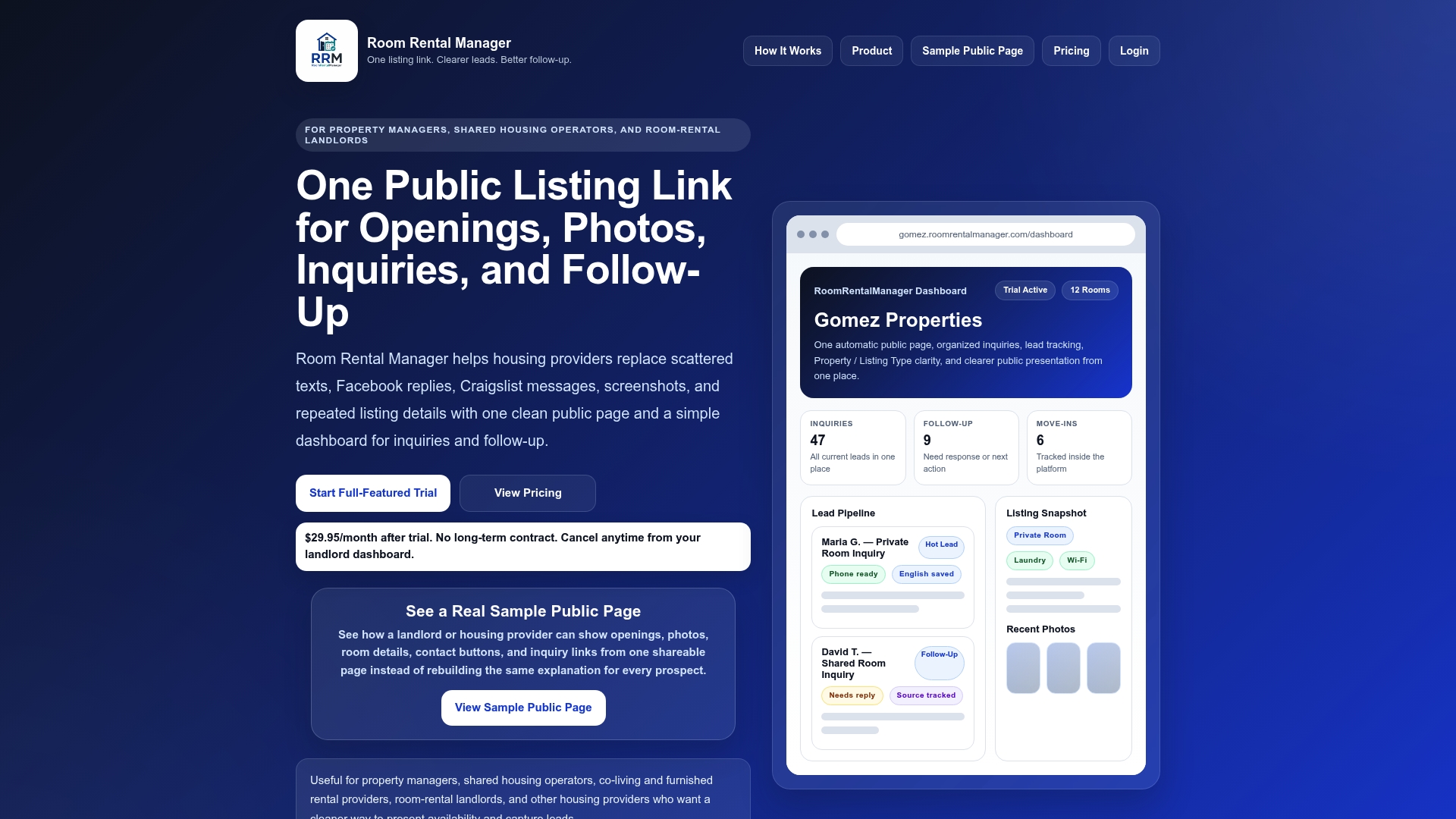
Share a single link across every platform you advertise on. Renters land on a professional, complete listing page instead of a fragmented conversation thread. Every inquiry gets captured through inquiry tracking features that show you exactly where each lead came from, so you know which platforms actually deliver results. The Room Rental Manager software gives you a dashboard to follow up, track lead stages, and keep your rental process organized from first inquiry to signed lease. Visit the landlord resource hub to see the full toolkit available for landlords managing rentals at any scale.
Frequently asked questions
Does posting on more platforms really increase rental leads?
Yes, leveraging multiple platforms broadens your reach and typically results in significantly more inquiries, since renters search across many sites before committing to contact a landlord.
How can landlords keep track of inquiries from different sites?
Using rental management software or inquiry tracking tools helps centralize and manage all prospects efficiently, reducing missed leads from scattered inboxes.
Do all rental platforms attract the same kind of tenants?
No, each platform may appeal to different tenant demographics and needs, which is why matching your property type to the right platform mix matters as much as how many platforms you use.
Is there software to simplify posting across platforms?
Yes, specialized landlord tools let you post, edit, and track listings efficiently on multiple sites from one dashboard, saving significant time and reducing errors across channels.